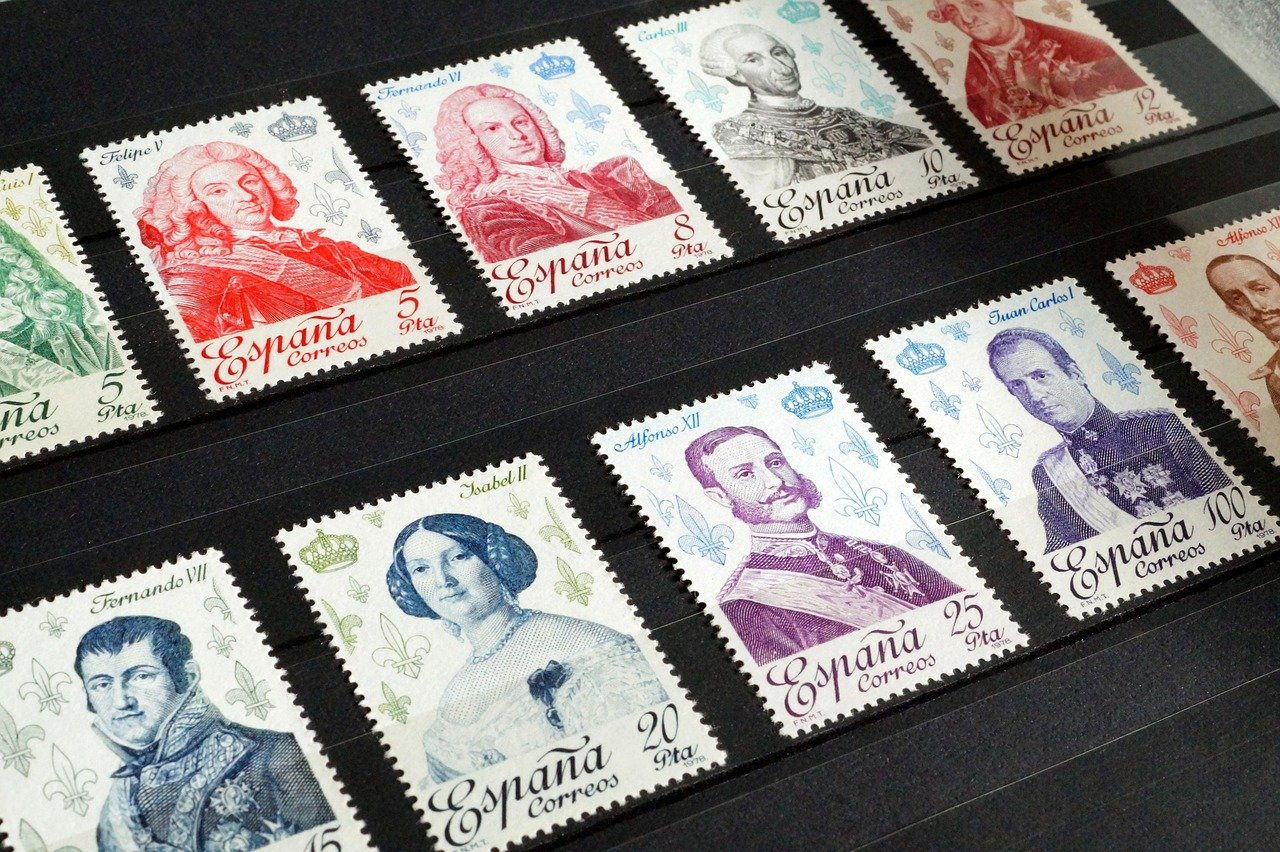
Windows to the World: The Enduring Magic and Modern Thrill of Stamp Collecting
In an era of instant messaging and digital communication, the physical stamp—a small, adhesive piece of paper—might seem like a relic. Yet, this perceived obsolescence is precisely what fuels its enduring magic. For millions around the globe, the stamp is not a mere token for postage but a portal. It is a miniature canvas showcasing art, a silent ambassador of nations, and a tangible piece of history frozen in time. This hobby, known as philately, is a pursuit that combines the detective's thrill of the hunt with the scholar's passion for knowledge and the curator's eye for beauty. Far from being a dusty pastime, stamp collecting is a dynamic and deeply rewarding journey across geography, culture, and time, all from the comfort of your own home.
The hobby was born almost simultaneously with the stamp itself. When the United Kingdom issued the world’s first adhesive postage stamp, the Penny Black, in 1840, it revolutionized mail. Soon after, stories began to circulate of people collecting these novel items, sometimes from the mere novelty, and other times to adorn household objects like screens and lamp shades. By the 1860s, philately was a formalized hobby, with the first catalogs and albums appearing to help enthusiasts organize their finds. It was a pastime that knew no social bounds, engaging schoolchildren and sovereigns alike; King George V of England was a famed philatelist, and his world-class collection forms a core part of the British Royal Philatelic Collection today.
The Timeless Allure: Why Collect Stamps?
The appeal of stamp collecting is beautifully multifaceted, offering something for every temperament.
First and foremost is the educational journey. A stamp album is a condensed, visual encyclopedia of the world. As you mount stamps from different countries, you inevitably learn about distant nations—their flags, their leaders, their flora and fauna, their monumental achievements, and their cultural icons. A collection of stamps from the 1960s might tell the story of the space race; stamps from various African nations post-independence reveal a continent defining its own identity. You absorb geography, history, politics, and biology without ever cracking a textbook. It is a self-directed, passion-fueled form of learning that is both effortless and profound.
Complementing this is the artistic appreciation. Stamps are often called "the smallest works of art," and for good reason. Governments and postal authorities commission talented artists and engravers to create these tiny masterpieces. The range of styles is breathtaking: from intricate, classic engravings that feel like old master prints to bold, modern graphic designs. The subjects are limitless—celebrated paintings, native wildlife, stunning landscapes, folk costumes, and literary heroes. Building a topical collection based on a theme you love, such as cats, astronomy, or music, allows you to curate a unique and personal art collection that is both affordable and globally sourced.
Then there is the thrill of philatelic detective work. This goes beyond simply acquiring stamps. It involves careful examination with a magnifying glass and a perforation gauge. The true aficionado delights in identifying variations: a subtle color shift, a different type of watermark in the paper, a minute difference in the spacing of the perforations (the little holes along the edges), or even a printing error like an inverted image. Discovering a rare "flaw" on a common stamp, or finally tracking down the exact variant to complete a set, provides a surge of accomplishment that is at the heart of the collector's experience.
Furthermore, stamp collecting fosters a sense of global connection and legacy. Stamps are instruments of human communication. Each one has, in theory, traveled across cities, countries, or oceans, carrying a message. Collecting stamps, especially ones that are postmarked, can feel like preserving a piece of that human connection. Many collections are passed down through generations, becoming family heirlooms that tell a story not only of the world but of the collector who meticulously assembled it.
Beginning Your Philatelic Adventure: A Starter's Guide
Starting a stamp collection is simple, but a focused approach leads to a more satisfying and manageable journey.
Find Your Focus: "Collecting the world" is overwhelming. Choose a specific theme that ignites your passion. Popular starting points include:
- Topical/Thematic: Collect stamps based on a subject you love (e.g., trains, butterflies, sports, famous scientists).
- A Single Country: Focus on the stamps of your own country or a nation you're fascinated by.
- A Specific Time Period: Collect stamps from a certain era, like the Victorian age or the post-World War II period.
- A Type of Stamp: Focus on a particular kind, such as airmail stamps, commemoratives, or high-value definitives.
Gather the Basic Tools: You don't need much to start, but a few key items are essential:
- Stamp Tongs: These are like specialized tweezers with smooth, rounded tips. They prevent damage from the oils and dirt on your fingers. Never handle valuable stamps with your hands.
- A Good Magnifying Glass: Essential for seeing fine details, engraving lines, and checking perforations.
- An Album and Hinges/Mounts: A starter album provides a structured place to keep your collection. Hinges are small, gummed strips to attach stamps, while clear mounts are safer for more valuable stamps as they don't require adhesive on the stamp itself.
- A Perforation Gauge and Watermark Detector: These specialized tools become important as your knowledge deepens.
Source Your Stamps: The hunt is half the fun!
- Save from Mail: Ask friends and family to save interesting stamps from their letters for you.
- "Kiloware": This is the term for stamps sold by the kilogram, often unsorted, in a bag. It's a fantastic and affordable way to get a huge volume of stamps to sort through.
- Stamp Dealers and Clubs: Local stamp shops (if you can find one) and clubs are invaluable for advice, trades, and purchases.
- Online Marketplaces: Websites and online auctions offer access to virtually any stamp in the world, but beginners should buy from reputable dealers to avoid forgeries.
Learn the Lingo and Catalog: Acquaint yourself with basic terms like "perf," "watermark," "cancel," and "mint." Using a stamp catalog, like the renowned Scott catalog in the United States or the Stanley Gibbons in the UK, is crucial. It’s not just a price list; it’s the definitive encyclopedia that helps you identify, classify, and understand the stamps in your collection.
Philately in the 21st Century
The hobby has gracefully evolved with the digital age. Online communities allow collectors to display their collections, trade duplicates, and seek expert advice from a global audience. Digital catalogs and identification apps are making the hobby more accessible than ever. Furthermore, postal authorities continue to innovate, issuing stamps with new technologies—such as holograms, scented inks, and stamps integrated with QR codes—ensuring that modern philately remains as exciting as its classic counterpart. The very decline of everyday letter-writing has, in a way, heightened the specialness of the stamps that remain, transforming them from common utilities into cherished artifacts.
The True Value of the Album
In the end, the greatest treasure in a stamp collection is not its monetary appraisal, though rare stamps can be incredibly valuable. The true value lies in the quiet hours of focused sorting, the knowledge accumulated almost by osmosis, and the personal satisfaction of building a curated world within the pages of an album. It is a hobby that teaches patience, observation, and organization. A stamp collection is a quiet sanctuary from the digital noise, a personal atlas, and a historical narrative written in a thousand tiny, beautiful chapters. So, the next time you see a stamp on an envelope, don't just discard it. Take a closer look. You might be holding a tiny masterpiece, a story waiting to be told, and the first key to unlocking your own incredible journey through the world of philately.