
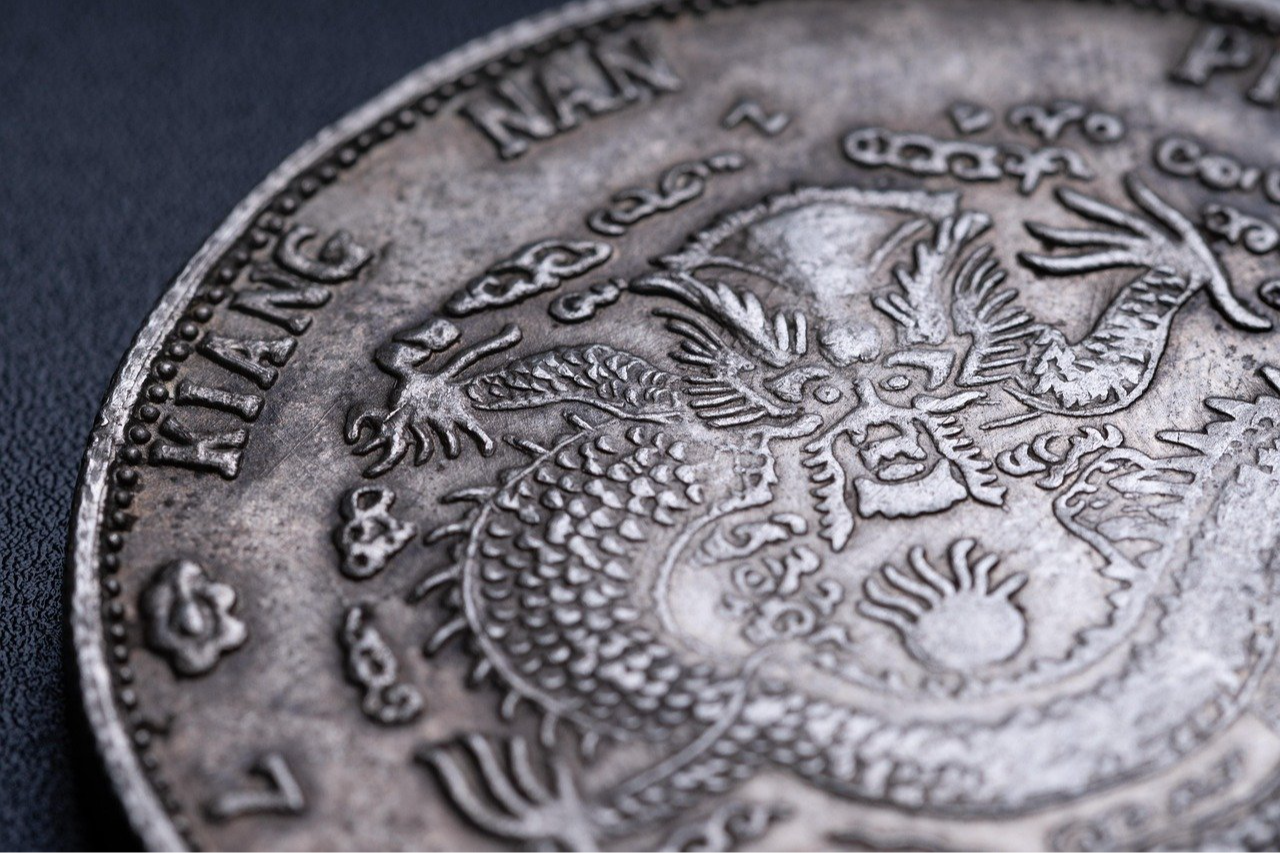
More Than Metal: Unlocking the World, History, and Thrill of Coin Collecting
In an age of digital wallets and contactless payments, the solid, tangible weight of a coin in your hand feels like a connection to a more substantial past. For some, coins are mere currency, a means to an end. But for millions around the globe, they are windows into history, miniature works of art, and the pieces of an endless, captivating puzzle. This is the world of numismatics—the study and collection of currency. Far from a sterile hobby for academics alone, coin collecting is a vibrant, accessible, and deeply personal pursuit that offers a unique blend of historical discovery, artistic appreciation, and the pure thrill of the hunt.
Coin collecting is often called the "Hobby of Kings," a title earned from its popularity among European nobility during the Renaissance. These early collectors were fascinated by the classical world, amassing coins from ancient Greece and Rome as physical proof of those legendary civilizations. But you need not be a monarch to partake. Today, the hobby is democratized, welcoming everyone from children saving state quarters to serious investors safeguarding their wealth in rare gold pieces. The entry point is as simple as examining the change in your pocket, where a seemingly ordinary coin might reveal an unusual mint mark, a striking error, or a design that tells a story.
The Multifaceted Appeal: Why We Collect
The motivations for collecting are as diverse as the collectors themselves. For many, the primary draw is history. A coin is a contemporary witness to its time. Holding a Roman denarius that once passed through the hands of a citizen buying bread in the Forum is to touch the ancient economy. A Lincoln Wheat Cent, minted from 1909 to 1958, carries the echoes of both World Wars, the Roaring Twenties, and the Great Depression. Coins commemorate great leaders, monumental events, and cultural shifts, serving as miniature time capsules stamped in metal.
Alongside history walks artistic beauty. The canvas may be small, but the artistry is often grand. From the exquisite high-relief sculptures on ancient Greek decadrachms to the elegant, modernist lines of modern commemorative issues, coins represent the pinnacle of miniature engraving. The play of light on a proof coin’s mirrored fields, the intricate detailing of an animal’s fur on a wildlife series, or the powerful portrait of a monarch—all are testaments to the skill of the artisans who create these masterpieces. Collecting by theme, such as focusing on coins featuring ships, architectural wonders, or musical instruments, allows one to curate a personal art gallery that fits in the palm of the hand.
Then there is the undeniable thrill of the treasure hunt. The quest for a specific date and mint mark to complete a series, the adrenaline rush of winning a coveted piece at an auction, or the "eureka!" moment of finding a rare variety in a roll of coins from the bank—this element of discovery is a powerful driver. It transforms a passive interest into an active adventure. The hunt is not always for the most expensive item; sometimes, the greatest joy comes from finally locating the last, common coin needed to fill an album, bringing a sense of closure and accomplishment.
Finally, there is the financial aspect. While not all collections are built for profit, numismatics can be a sound investment. Rare coins in high grade have consistently appreciated in value over the long term, often outperforming traditional markets. They are a tangible asset, immune to the digital fluctuations of the modern financial world. However, seasoned collectors will advise that the best strategy is to collect what you love; the potential financial gain should be a welcome bonus, not the sole motivation.
Beginning Your Numismatic Journey: A Practical Guide
Embarking on a coin collection can feel daunting, but it need not be. The key is to start small and focused.
Define Your Focus: Trying to collect "all coins" is a recipe for burnout and an empty wallet. Instead, choose a specific, manageable theme. You might start with:
- A Type Set: Collecting one example of each major design of a nation's coinage (e.g., one of each Lincoln cent reverse design).
- A Date Set: Collecting every year of a specific denomination, like the Jefferson Nickel (1938-present).
- A Country or Theme: Focusing on coins from a country of your heritage or collecting coins that feature a specific subject like animals, plants, or space exploration.
- "Cheap and Charming": Collecting beautiful but affordable coins from around the world, often found in "junk" bins at coin shops.
Educate Yourself: Knowledge is your most valuable tool. Invest in a good book, like the "Red Book" (A Guide Book of United States Coins), which is the bible for American collectors. Join online forums, watch educational videos from reputable sources, and visit your local coin shop (LCS). The numismatic community is generally welcoming and eager to share its knowledge.
Handle with Care: The condition of a coin is paramount to its value and appeal. Always hold a coin by its edges, over a soft surface. Avoid touching the faces (obverse and reverse) as the oils from your skin can cause permanent damage and corrosion. Use acid-free holders and albums for storage.
Understand Grading: A coin's grade is a measure of its wear and preservation, on a scale from "Poor" (PO-1) to "Perfect Mint State" (MS-70). Learning the basics of grading is essential to making informed purchases and understanding a coin's market value. For high-value coins, third-party grading services like PCGS or NGC provide impartial authentication and encapsulation, offering peace of mind.
Acquire Wisely: There are many avenues to acquire coins.
- Coin Dealers: Your local coin shop is an invaluable resource for advice, supplies, and coins.
- Coin Shows: These are fantastic events to see a huge variety of material, meet dealers, and compare prices.
- Online Auctions: Sites like OffConOn offer immense selection but require a discerning eye to avoid counterfeits and misrepresented items.
- Circulation: Never underestimate the "bank roll hunt." You can still find silver coins, errors, and older dates in everyday change.
The Modern Evolution of the Hobby
Coin collecting has gracefully entered the 21st century. Online communities allow collectors from across the globe to share finds, ask questions, and trade. Digital marketplaces have made once-unobtainable coins accessible. Furthermore, the hobby itself is evolving with the introduction of new materials, innovative security features (like holograms and latent images), and a global boom in beautifully designed, low-mintage commemorative coins from mints worldwide. Even the rise of cryptocurrencies has sparked a parallel interest in the physicality and history of traditional, state-issued currency.
The True Value of the Collection
In the end, the true value of a coin collection is not found on a price tag. It is in the stories the coins tell and the journey of building the collection itself. It is the knowledge gained about art, history, and economics. It is the patience learned in the long search for a key date. It is the connection to the countless hands through which a coin has passed and the civilizations that minted it.
A coin collection is a deeply personal museum, a library of metal, and a legacy. It is a quiet, tangible rebellion against the ephemeral nature of our digital age. So, the next time you receive a handful of change, take a moment to look closer. You might just be holding a piece of history, a miniature masterpiece, and the first piece of your own numismatic adventure.